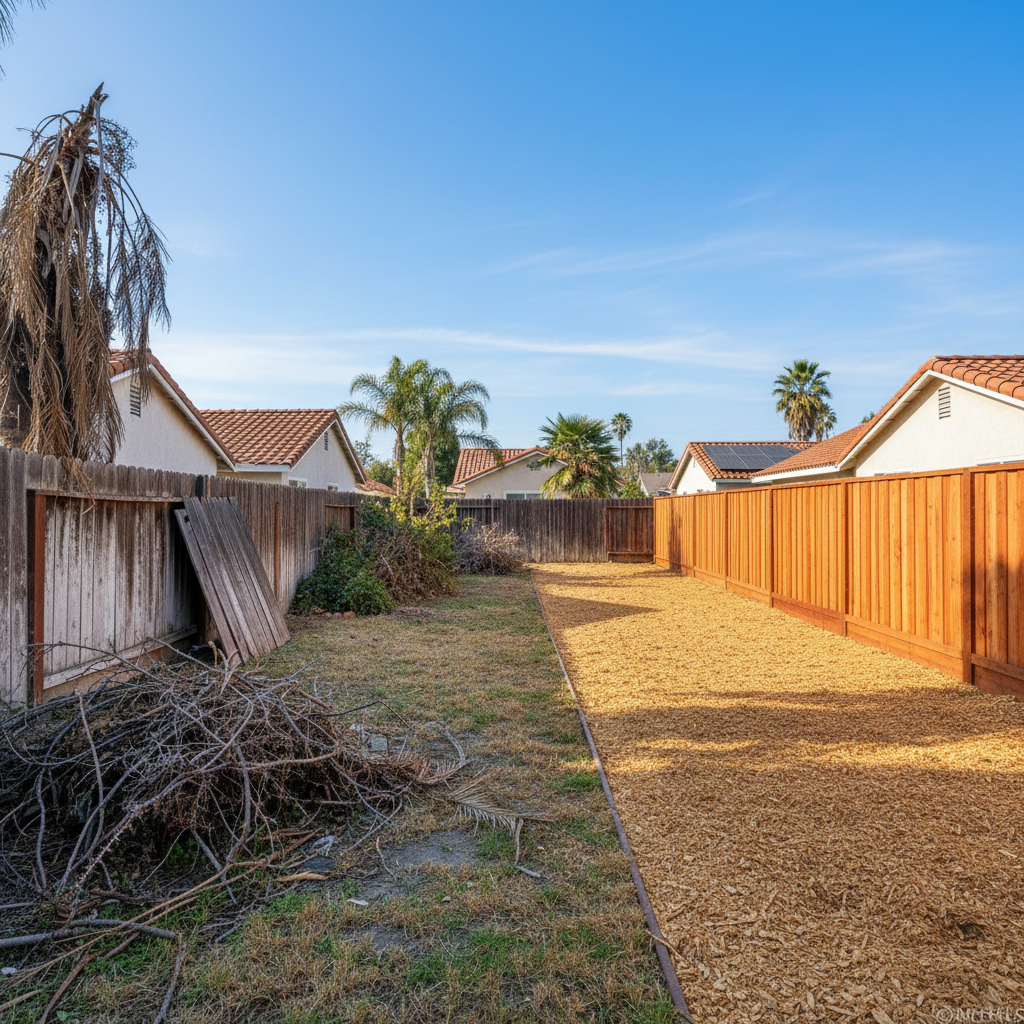
So, you've got a piece of land in National City that's looking more like a jungle than a backyard. Maybe you're planning a new build, putting in a pool, or just want to reclaim some space. Whatever the reason, you're looking at lot clearing, and you've probably heard a couple of terms thrown around: brush clearing and grubbing. What's the real difference, and which one's right for your project?
Brush Clearing: The Surface Solution
Let's start with brush clearing, sometimes called 'land clearing' or 'vegetation removal.' This is pretty much what it sounds like: we go in and remove everything that's visible above the ground. Think overgrown shrubs, small trees, thickets of weeds, deadfall, and any other surface vegetation.
We use heavy-duty mulchers, chainsaws, and sometimes excavators with special attachments to shred or cut down all that growth. The goal is to get your property looking clean and open, ready for whatever you're planning next, whether that's landscaping, a garden, or just a clear view.
Cost: Generally, brush clearing is less expensive upfront. You're paying for the removal of above-ground material, which is less labor-intensive and requires less specialized equipment than digging deep.
Durability: This is where it gets tricky. If you're just clearing for aesthetics or a temporary use, it's fine. But if you're building, you need to know that roots are still in the ground. They'll eventually decompose, which can cause soil settling. And those pesky weeds and shrubs? They'll definitely try to grow back from the roots if you don't treat the area or cover it quickly.
Maintenance: Expect some. You'll likely need to deal with regrowth, especially from stubborn species common in our climate, like various chaparral or even invasive grasses. If you're not building right away, you'll be back out there with a weed eater or calling us again.
Appearance: Immediately after, it looks great. The land is open, and you can see the soil. But over time, if left untreated, it'll start to revert.
Grubbing: The Deep Clean
Now, grubbing is a whole different beast. This isn't just about what's on top; it's about getting everything out of the ground too. When we grub a lot, we're not just cutting down trees and brush; we're digging out the stumps, roots, and any other organic material buried in the soil. This usually involves heavy machinery like excavators or bulldozers that can really get down and dirty.
The goal here is to create a clean, stable base for construction. You don't want a new foundation settling unevenly because a tree stump decided to decompose underneath it five years down the line. Grubbing ensures you have a solid, inorganic soil base.
Cost: It's more expensive, no two ways about it. You're paying for more time, more fuel, and more powerful equipment. Plus, there's often more material to haul away, as those roots take up a lot of space.
Durability: This is the gold standard for durability. With all organic material removed, you minimize future settling and prevent regrowth from existing root systems. It creates a much more stable and long-lasting base for anything you want to build.
Maintenance: Minimal, especially concerning regrowth from previous vegetation. You're starting with a clean slate. You'll still deal with new seeds blowing in, but you won't have old root systems trying to sprout.
Appearance: The ground will look disturbed, often with piles of soil and roots. It's not pretty right after, but it's the necessary step before grading and preparing for construction.
Which One For Your National City Property?
Alright, so which approach makes sense for you here in National City? Given our local conditions – the dry climate, the types of vegetation we deal with, and the common building practices – I'll give it to you straight.
- If you're just tidying up, creating a fire break, or making a temporary open space: Brush clearing might be enough. Maybe you've got a lot in Paradise Hills that's just gotten out of control, and you want to clear it for better access or to reduce fire risk. We can clear it, and you can maintain it with regular upkeep.
- If you're building anything permanent – a house, an addition, a large patio, or even a substantial driveway: You absolutely need grubbing. Don't skimp here. The cost of fixing foundation issues down the road because of decomposing roots will far outweigh the extra expense of grubbing upfront. Our clay-rich soils around here can already be tricky with moisture and expansion; adding decaying organic matter into the mix is just asking for trouble.
My recommendation, for most homeowners looking at a significant project, is to go with grubbing. It’s the proper way to prepare a lot for construction, giving you peace of mind and a stable foundation for years to come. You won't regret doing it right the first time.
If you're still on the fence or want to talk specifics about your property, give us a call at National City Tree Service. We've seen it all, and we can help you figure out the best plan for your lot.