Do I even need a permit for lot clearing in National City?
Yeah, you probably do. This is one of the biggest questions I get, and it's super important to get right. It's not just about cutting down a few trees; it's about altering the land. National City has rules, especially if you're talking about significant tree removal, grading, or disturbing a large area. You'll likely need to check with the city's Planning Department. They're looking out for things like erosion control, protecting native habitats, and making sure you're not messing with drainage patterns that could affect your neighbors or public property. Don't just assume you can start cutting; a permit application might involve site plans, tree surveys, and even environmental reviews. Skipping this step can lead to big fines and stop-work orders, and trust me, that's a headache you don't want.
What's the difference between lot clearing and just brush removal?
Good question, because people use these terms interchangeably sometimes, but they're not the same in our world. Brush removal is usually lighter work. Think overgrown shrubs, small saplings, weeds, and maybe some deadfall. It's about tidying up an existing space, reducing fire hazards, or making a path. Lot clearing, on the other hand, is a much bigger deal. We're talking about taking a raw, undeveloped piece of land and getting it ready for construction, landscaping, or agricultural use. That often means removing mature trees, stumps, large rocks, and even some light grading to create a level surface. It's a full-scale transformation of the property, not just a cleanup.
How long does a typical lot clearing project take?
That's like asking how long a piece of string is, right? But I get why you're asking. It really depends on a few factors. First, the size of the lot. A quarter-acre lot is obviously going to be faster than a five-acre parcel. Second, what's on it? A lot with mostly brush and small trees is quicker than one covered in dense, mature oak trees or a bunch of old concrete debris. Third, access. If we can get our heavy equipment in easily, that speeds things up. If we're working on a sloped lot in the hills near Paradise Hills where access is tight, it's going to take longer and cost more because we might need specialized equipment or more manual labor. Generally, for a standard residential lot, you're looking at anywhere from a few days to a couple of weeks, once permits are in hand. Larger, more complex jobs can stretch into several weeks or even a month.
Will lot clearing affect my property value?
Done right, absolutely, it can boost it. If you're clearing a lot to build, then obviously it's essential. Even if you're not building immediately, a cleared, well-maintained lot looks much more appealing to potential buyers. It shows them a blank canvas, ready for their vision, without the daunting task of clearing it themselves. It also reduces fire risk, which is a big plus in our dry California climate, and can improve curb appeal. However, if you clear it poorly, leave a mess, or remove too many mature trees without a plan, it could actually hurt. It's about creating a usable, attractive space, not just a barren one.
What happens to all the debris once you clear the land?
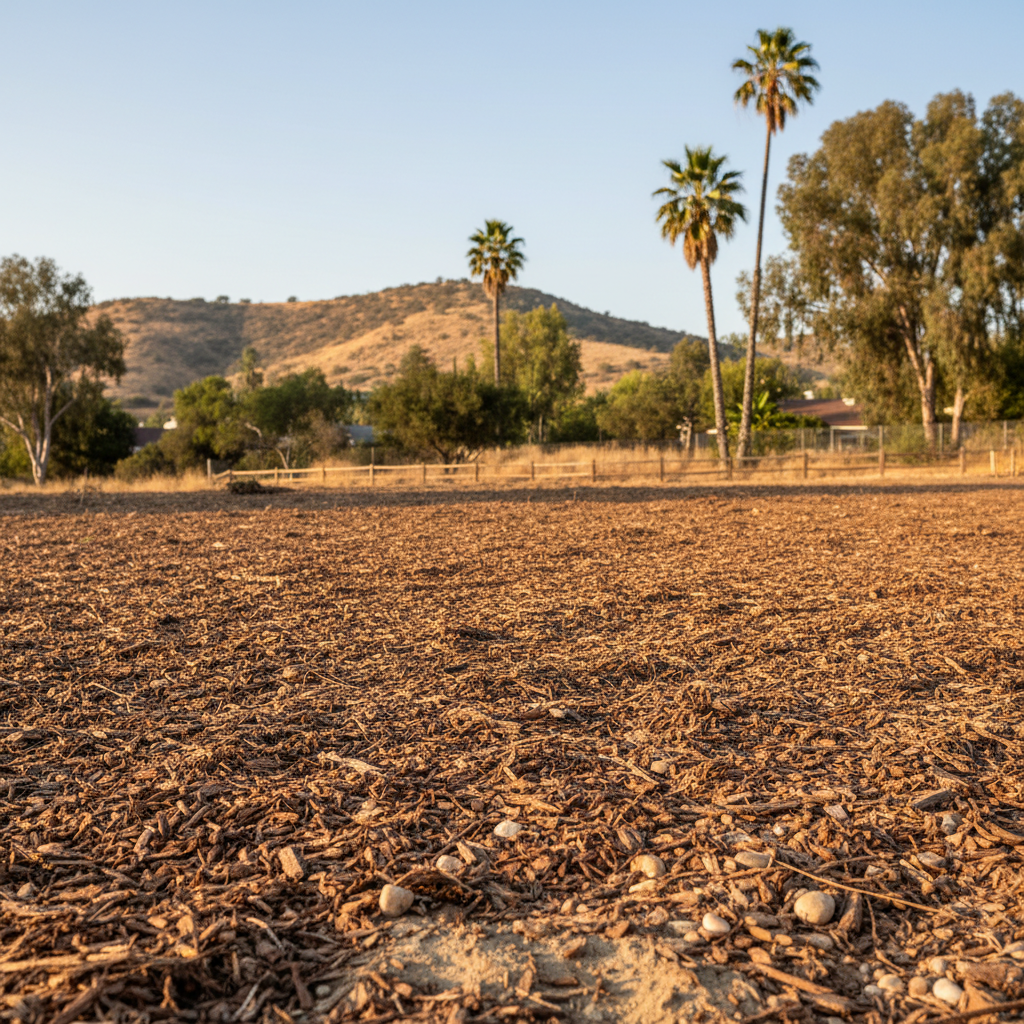
We've got a few options for that, and it's something we discuss upfront. The most common approach is hauling it away. We load up all the trees, brush, stumps, and anything else we've removed and take it to a green waste facility for proper disposal or recycling. Sometimes, if the material is suitable and you're looking to improve your soil, we can chip smaller branches and spread the mulch on site. This can be good for erosion control and adding nutrients back into the soil. For larger stumps, we can grind them down below grade, or if you prefer, we can remove them completely. It all depends on your goals for the property and what makes the most sense for the project.
How much does lot clearing cost in National City?
This is probably the most common question, and the answer is, it varies a lot. There's no flat rate. Think about it: a small, flat lot with light brush is a completely different job than a sloped, heavily wooded parcel with a bunch of old concrete. The main factors that drive cost are the size of the area, the type and density of vegetation (trees, brush, stumps, rocks), the terrain (flat vs. sloped), accessibility for our equipment, and what you want done with the debris. Are we just clearing, or do you need stump grinding, grading, or erosion control measures too? Because of all these variables, we always need to do a site visit to give you an accurate estimate. Don't trust anyone who gives you a quote over the phone without seeing the property. We'll come out, take a look, and give you a clear breakdown of what it'll take. That's how we do things at National City Tree Service – transparent and honest.