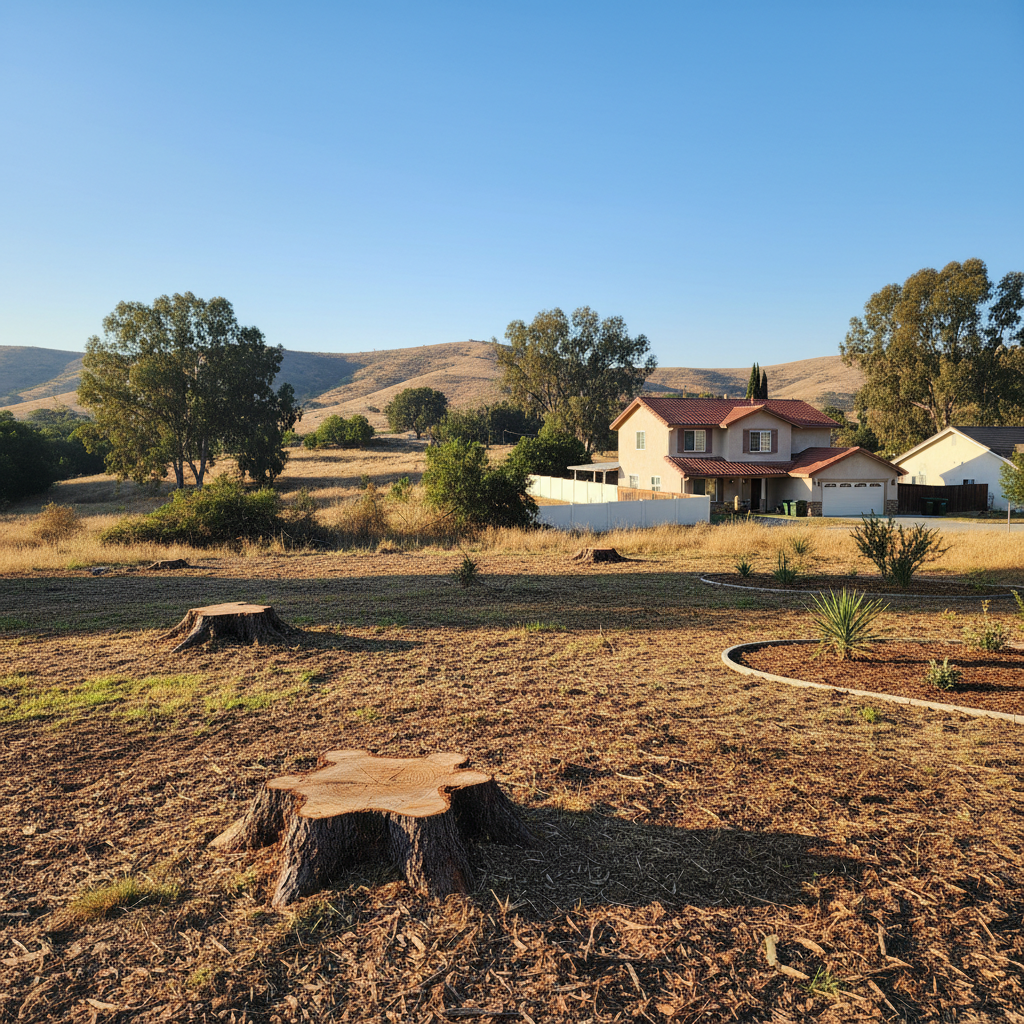
So, you've got a piece of land in National City that needs clearing. Maybe you're building a new addition, putting in a big garden, or just finally tackling that overgrown section of your property. Whatever the reason, land clearing isn't just about hacking down trees. It's a whole process, and knowing what to expect can save you a ton of headaches and money.
Your Land Clearing Timeline: What to Expect
Let's talk timeline first, because this isn't a weekend DIY job for most folks. From start to finish, a land clearing project can take anywhere from a few weeks to several months, depending on the size and complexity of your lot. Here's a rough breakdown:
- Initial Assessment & Quote (1-2 weeks): You'll call a few places, like us at National City Tree Service, to come out and look at your property. We'll check the terrain, the type and density of vegetation, access points, and any potential challenges like steep slopes or existing structures. This is where you get your estimates.
- Permits (2 weeks to 2 months+): This is often the biggest variable. Depending on what you're clearing and where you're located, you might need permits from the City of National City, the County of San Diego, or even the California Coastal Commission if you're near the bay. Don't skip this step – fines are no joke. We can help you understand what's needed, but ultimately, it's your responsibility as the homeowner to ensure all permits are in place.
- Scheduling (1-4 weeks): Once permits are approved, you'll schedule the actual work with your chosen contractor. Good companies are often booked out a bit, especially during peak seasons.
- Actual Clearing Work (1 day to several weeks): This is when the heavy machinery comes in. The duration here depends entirely on the size of the area, the amount of vegetation, and the methods used (e.g., just cutting, stump grinding, or full excavation).
- Cleanup & Hauling (1-3 days): After the clearing, there's always cleanup. Debris needs to be removed, chipped, or hauled away.
What Happens During the Process?
When the crew shows up, here's a general idea of what you'll see:
- Site Preparation: They'll mark out the areas to be cleared, set up safety zones, and protect any structures or trees you want to keep.
- Vegetation Removal: This is the main event. Depending on the scale, it could be chainsaws, brush cutters, excavators with specialized attachments, or even dozers. They'll cut down trees, clear brush, and remove smaller plants.
- Stump Removal/Grinding: If you want a completely clear surface, stumps will need to be removed or ground down below grade. Grinding leaves wood chips; removal often means digging them out, which can be more disruptive to the soil.
- Debris Management: All that vegetation has to go somewhere. It might be chipped on-site and left for mulch, hauled away to a green waste facility, or in some cases, burned (though burning is heavily regulated in our area due to fire risk, especially in dry canyon areas like those around Paradise Hills).
- Grading (Optional): If you're building or want a level surface, the crew might do some basic grading to smooth out the land after clearing.
How to Prepare Your Property
You can do a few things to make the process smoother and safer:
- Clear the Immediate Area: Remove anything you don't want damaged or in the way – garden ornaments, patio furniture, kids' toys, vehicles.
- Mark What Stays: Clearly mark any trees, shrubs, or structures that are NOT to be touched. Bright flagging tape works great.
- Secure Pets & Kids: Keep them well away from the work zone. Heavy machinery and falling debris are no joke.
- Inform Neighbors: Give your neighbors a heads-up about the upcoming work. It can be noisy and dusty, and they'll appreciate the courtesy.
- Provide Access: Make sure the crew has clear, unobstructed access to the work area.
Questions to Ask Before You Sign That Contract
Don't just go with the cheapest bid. Ask these questions to make sure you're getting a reputable, professional company:
- Are you licensed and insured? This is non-negotiable. Ask for proof of both. Liability insurance protects you if there's an accident or damage to your property.
- What's included in the quote? Does it cover tree removal, stump grinding, debris hauling, and site cleanup? Make sure there are no hidden fees.
- How will you handle debris? Will it be chipped on-site, hauled away, or something else? What does that cost?
- What equipment will you use? This gives you an idea of the scale of the operation and potential impact on your property.
- Do you handle permits, or is that my responsibility? Clarify this upfront. Some companies will assist; others expect you to handle it.
- What's your estimated timeline for the project? Get a clear start and end date, or at least a realistic range.
- Can you provide references? A good company will gladly give you contact info for past clients.
- What measures do you take for safety? Ask about their safety protocols for their crew and your property.
- What about potential damage to my property? How do they prevent it, and what's the process if it happens?
- Will you protect existing landscaping or structures? How will they ensure the parts of your yard you want to keep are safe?
Clearing land is a big undertaking, but with the right planning and the right team, it doesn't have to be a nightmare. Do your homework, ask the tough questions, and you'll be well on your way to transforming your National City property.