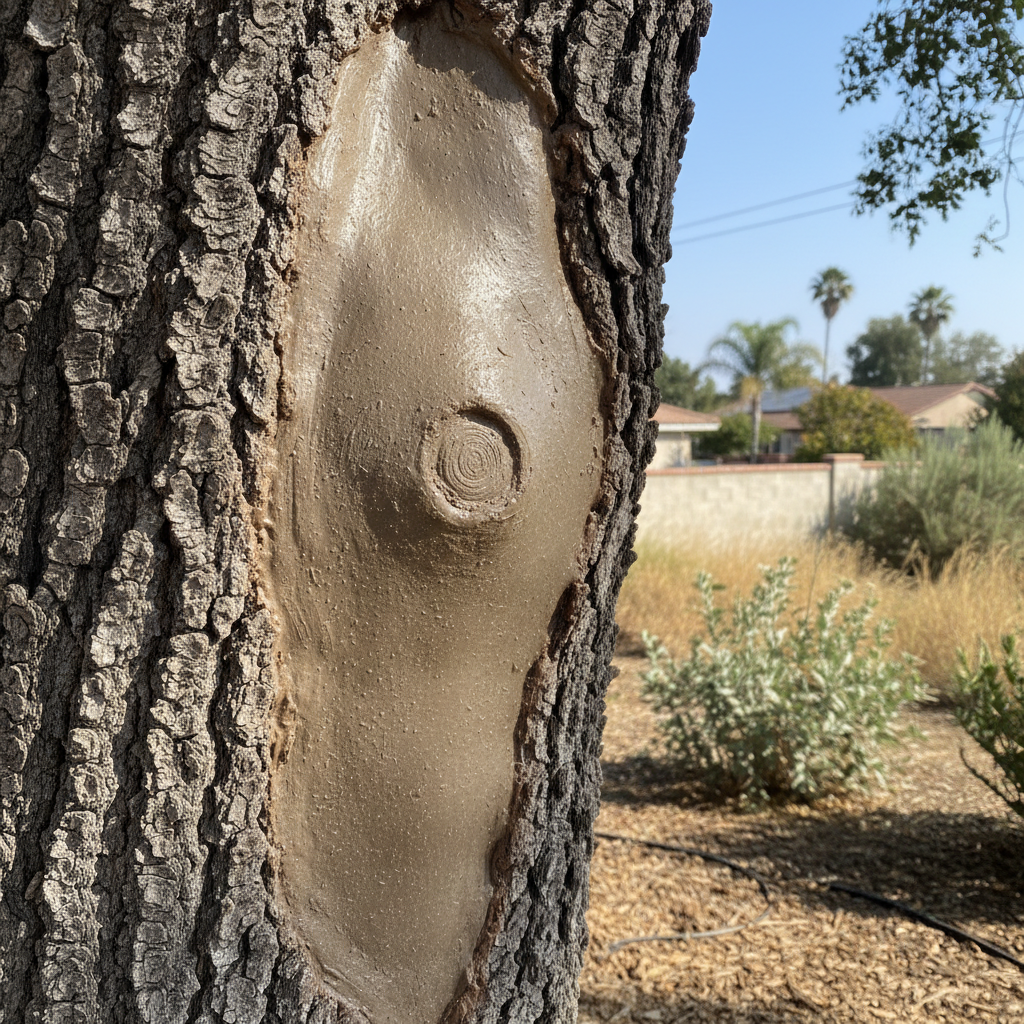
Your Trees: More Than Just Shade
Let's talk about your trees. They're not just decorations, right? They add value to your property, give you shade on those hot National City summer days, and generally make your yard a nicer place to be. But like anything alive, they need some looking after. And sometimes, knowing what to do – or what not to do – can be tricky. I see a lot of folks trying their best, but sometimes they end up doing more harm than good. So, let's break down what you can realistically handle yourself and when it's time to pick up the phone for a pro.
Before You Do Anything: Know Your Tree
First things first: know what kind of tree you've got. Is it a mature Jacaranda, a young citrus, or one of those fast-growing Eucalyptus that are everywhere around here? Different trees have different needs. A little research goes a long way. Look up its typical growth habit, how much water it needs, and if it's prone to any specific pests or diseases in our climate.
Walk around your tree. Give it a good once-over. Are the leaves looking off-color? Are there dead branches? Is the bark peeling in an unusual way? These are all clues. Don't just assume everything's fine because it's green. Sometimes, by the time a tree looks really sick, it's already got a serious problem brewing.
What You Can Handle Yourself (DIY Tree Care)
There's plenty you can do to keep your trees happy and healthy without needing to call us every other week. It's mostly about consistent, basic care.
- Watering: Especially for young trees or during dry spells, proper watering is crucial. Deep, infrequent watering is usually better than shallow, frequent sprinkles. You want the water to get down to the root zone, not just sit on the surface. For established trees, especially those native to our drier climate, you might not need to water much at all once they're mature. Just be mindful during extended droughts.
- Mulching: This is a big one and it's easy. A 2-4 inch layer of organic mulch (like wood chips) around the base of your tree, but kept a few inches away from the trunk, does wonders. It helps retain moisture, suppresses weeds, and moderates soil temperature. Plus, it looks tidy.
- Basic Pruning (Small Stuff): You can absolutely handle removing small, dead, or broken branches. Think anything you can comfortably reach and cut with hand pruners or a small lopper while standing on the ground. Always make clean cuts, and don't leave stubs. If a branch is rubbing against another, you can usually take care of that too. Just be sure you know what you're cutting.
- Pest & Disease Spotting: You're the first line of defense. If you see something weird – strange spots on leaves, holes in the bark, weird growths – take a picture and do a quick search online. Sometimes it's nothing, sometimes it's something you can treat with an organic spray from the garden center.
When to Call a Pro (That's Us!)
Alright, so you've done your part. But there are definitely times when trying to DIY it will either be dangerous, ineffective, or both. That's when you call in a professional like National City Tree Service.
- Large Branch Removal or Pruning: If a branch is thicker than your wrist, requires a ladder, or is near power lines, don't mess with it. Seriously. Falls from ladders are no joke, and electricity is even less forgiving. Large branches need specific cuts to prevent tearing the bark, and they're heavy. We've got the gear and the training to do it safely and correctly.
- Tree Removal: This one should be obvious. Taking down a whole tree, especially a big one, is incredibly dangerous. It requires specialized equipment, rigging techniques, and a crew that knows what they're doing. There's no shame in calling for help on this.
- Diagnosing Serious Issues: If your tree is showing signs of significant stress – widespread yellowing, sudden leaf drop, fungal growth, or large sections of dead branches – and you can't figure out why, it's time for an expert. We can often diagnose the problem and recommend a treatment plan, or at least tell you if the tree is beyond saving.
- Storm Damage: After a big windstorm, like those Santa Ana winds we get sometimes, you might have broken branches hanging precariously. These are called 'widowmakers' for a reason. Don't try to clear them yourself. They can be unstable and fall unexpectedly.
- Structural Pruning for Young Trees: Getting a young tree off to a good start with proper structural pruning can prevent major problems down the road. This isn't just hacking off branches; it's about shaping the tree for long-term health and stability.
- Trees Near Structures or Power Lines: Any work on trees close to your house, garage, or power lines is a job for a pro. The risk of property damage or electrical shock is too high to take chances.
A Little Prevention Goes a Long Way
Think of tree care like car maintenance. Regular check-ups and addressing small issues early prevent bigger, more expensive problems later. Don't wait until your tree is half-dead or a branch is about to fall on your roof. Be proactive. A healthy tree is a safe tree, and it adds so much to your National City home. If you're ever in doubt, just give us a call. We're happy to take a look and give you an honest opinion on what your trees need.