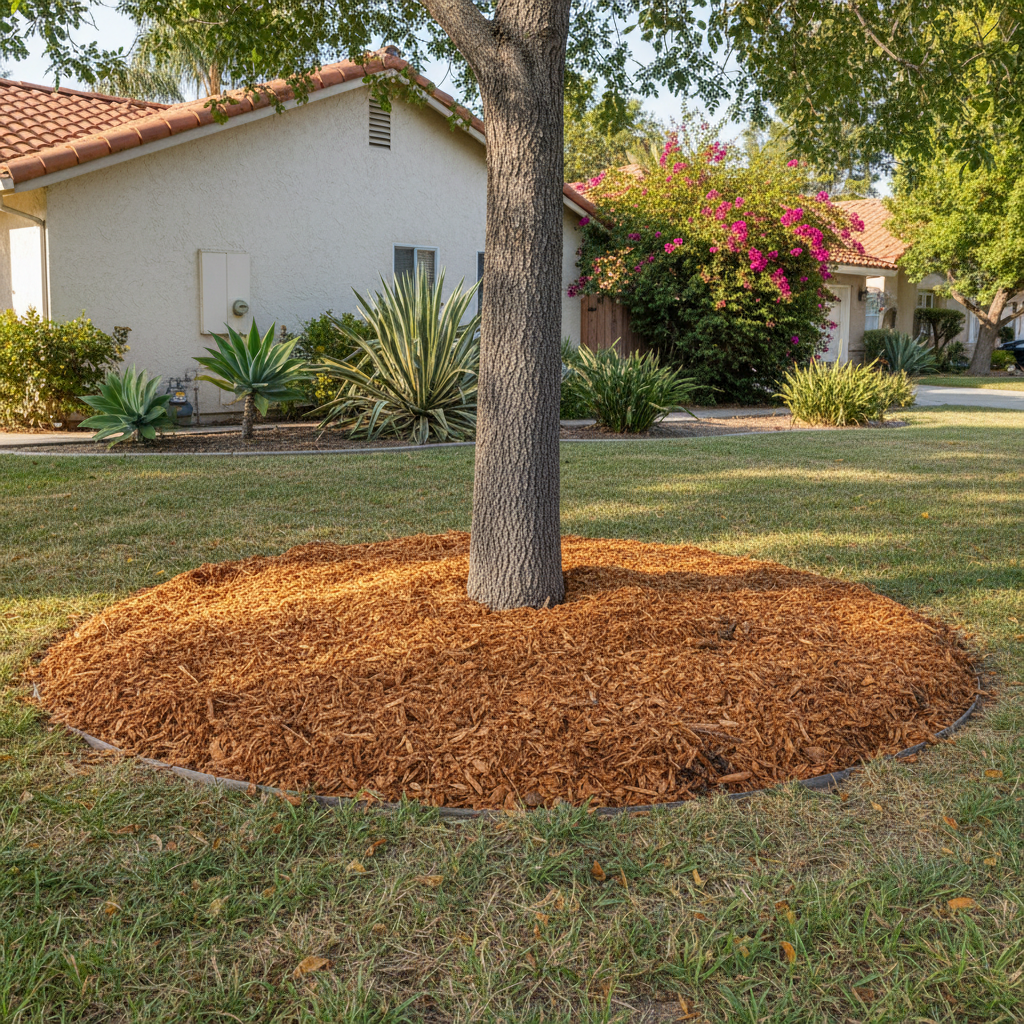
Ever look up at a struggling shade tree in your yard and wonder what is actually going wrong? Running National City Tree Service means National City Tree Service gets asked a lot of questions about how to keep local yards looking good despite our dry climate and heavy clay soils. National City Tree Service answers some of the most common questions homeowners ask about tree health in National City, CA.
How often should I actually water my mature trees?
Most homeowners make the mistake of giving their trees short, daily drinks from the lawn sprinklers. That only wets the top inch of soil and starves the deep roots. In our coastal valley heat, mature trees prefer a deep, thorough soaking once every week or two rather than a daily sprinkle. Give them a long, slow trickle near the drip line to let the moisture soak down deep where it is needed. National City Tree Service often reminds clients in National City, CA that proper watering is the foundation of Tree Service.
Why are the leaves on my citrus tree turning yellow?
Yellow leaves usually point to a nutrient deficiency or a watering issue. In our heavy regional clay, overwatering can suffocate the roots and lock out iron or nitrogen. Before you dump a bunch of synthetic fertilizer on it, check how damp the soil actually is a few inches down. If it is soggy, back off the water schedule and let the earth breathe. For citrus trees in National City, CA, National City Tree Service recommends checking soil moisture regularly.
Is that white powdery stuff on my crape myrtle harmful?
That is powdery mildew, and it is very common when the morning coastal fog rolls into town and sticks around. While it looks bad, it is mostly a cosmetic issue for established crape myrtles. You can keep it under control by clearing out crowded interior branches to improve airflow, which stops moisture from trapping on the leaves. National City Tree Service handles Tree Service work throughout National City, CA.
When is the best time of year to prune my trees?
Late fall and winter are generally the sweet spot for most deciduous trees because they are dormant. Pruning during this resting phase minimizes stress and keeps hungry pests away. Avoid heavy pruning right in the middle of our hot summer months, as that can shock the tree and burn exposed bark. National City Tree Service provides Pruning Trees for properties in National City, CA.
What causes those sudden cracks and sap leaks on tree trunks?
Sap oozing or dark staining on the bark usually means the tree is fighting off a bacterial or fungal infection, often entering through an old lawnmower nick or improper cut. Keep your string trimmers well away from the trunk. Once a pathogen gets into the vascular system, there is not always a magic fix, but keeping the tree unstressed gives it the best fighting chance. National City Tree Service inspects tree damage for homes in National City, CA.
Should I worry about surface roots lifting my sidewalk?
Surface roots happen when a tree searches for oxygen and water near the surface, which is very common with certain species planted near concrete. Do not just chop large surface roots off, because that can kill the tree or make it unstable. If you are running into hardscape conflicts, talk to a professional about root barriers or specialized pruning options before taking a saw to it. For reliable Tree Service in National City, CA, National City Tree Service is here to help.