Alright, let's talk about tree removal costs here in National City. It's one of those things folks often ask about, and frankly, there's a lot of guesswork out there. You call a few places, get wildly different numbers, and suddenly you're scratching your head, wondering what's what. As someone who's been doing this for years with National City Tree Service, I want to clear things up for you.
What Makes Tree Removal Cost What It Does?
Look, it's not just some random number we pull out of a hat. A lot goes into pricing a tree removal job. Think of it like this: you wouldn't expect to pay the same for a small shrub as you would for a 60-foot palm, right? Here are the main things that drive the cost:
- Tree Size: This is the big one. A small tree (under 20 feet) is way easier and quicker to take down than a massive, mature oak. Taller trees mean more time, more equipment, and more risk.
- Tree Location & Accessibility: Is the tree in an open yard, easy to get to with a truck and chipper? Or is it wedged between your house and your neighbor's fence, overhanging power lines, or right next to a pool? Tight spots, steep slopes (like some of those hilly areas near Paradise Hills), or obstacles like sheds and gazebos make the job way more complex and dangerous. We might need to use ropes, pulleys, or even a crane, which adds to the cost.
- Tree Condition: A healthy, upright tree is one thing. A dead, diseased, or storm-damaged tree is another. Dead wood can be brittle and unpredictable, making it riskier to cut. Trees with extensive decay, especially those that are leaning or partially fallen, require extra caution and specialized techniques.
- Species of Tree: Some trees are harder to remove than others. Dense hardwoods like oak or eucalyptus take more effort to cut and chip than softer woods. Palm trees, for example, have a fibrous trunk that can be tough on equipment and often requires specific cutting methods.
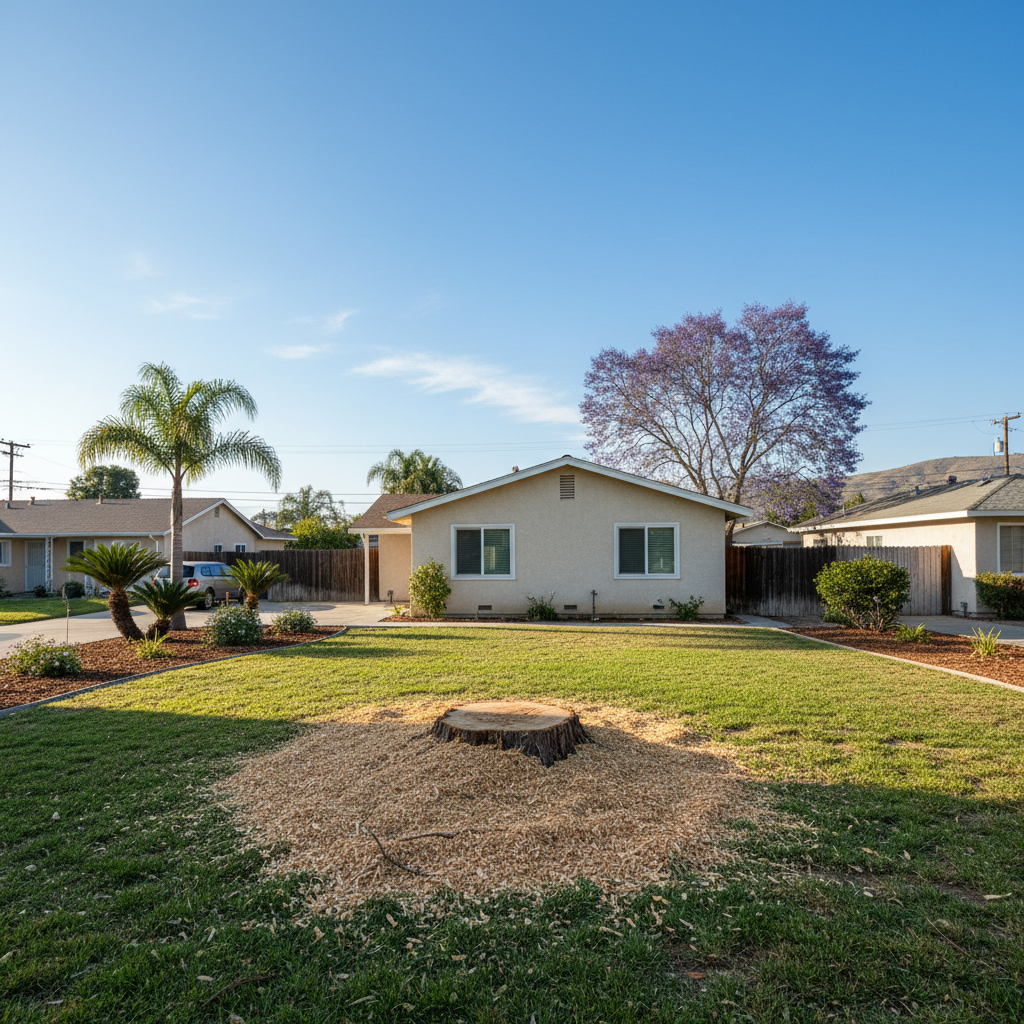
- Stump Grinding: Do you want the stump gone too? That's usually an extra service. Grinding a stump down below ground level takes specialized equipment and time. The size of the stump dictates the cost.
- Debris Removal: Most quotes include hauling away all the branches and wood. If you want to keep the wood for firewood or mulch, that might actually reduce the cost slightly, but usually, people want it all gone.
Typical Cost Ranges in National City
Okay, let's get down to some real numbers. Remember, these are averages, and your specific situation might be higher or lower, but this should give you a good ballpark:
- Small Trees (under 20 feet): Think young fruit trees, small ornamental trees. You're generally looking at $200 - $500. If it's super easy access, maybe a bit less.
- Medium Trees (20-50 feet): This covers a lot of common residential trees. Expect to pay anywhere from $400 - $1,200. This is where accessibility really starts to factor in.
- Large Trees (50-75 feet): Mature shade trees, some palms. These jobs often require more crew members and specialized equipment. Prices typically range from $800 - $2,500.
- Very Large or Hazardous Trees (over 75 feet, or complex removals): These are the big ones, or those in really tricky spots. We're talking $1,500 and easily upwards of $4,000, especially if a crane is needed. I've seen jobs hit $5,000+ for truly massive, dangerous removals in tight spaces here in the South Bay.
- Stump Grinding: This is usually an add-on. For an average stump (12-24 inches diameter), it's typically $75 - $250. Bigger stumps will cost more.
So, if you've got a 40-foot pepper tree in your backyard in Lincoln Acres, easy to get to, you're probably looking at the lower end of that medium tree range. If it's a 60-foot dead palm leaning over your garage in Old Town National City, that's going to be on the higher end of the large tree category, no doubt.
What Should Be Included in Your Quote?
When I give you a quote, or when anyone from National City Tree Service does, it's comprehensive. Here's what a good quote should cover:
- Assessment: The initial visit to evaluate the tree and the job.
- Labor: The cost of the crew and their expertise.
- Equipment: All the tools, ropes, chainsaws, chippers, and trucks needed.
- Cutting & Dismantling: The actual removal of the tree.
- Debris Removal: Hauling away all the wood, branches, and leaves.
- Site Cleanup: Leaving your property tidy, as if we were never there (minus the tree, of course).
- Insurance: This is HUGE. Make sure they're licensed and insured. If they're not, and someone gets hurt or your property gets damaged, you're on the hook. Don't skimp here.
Always get it in writing. Don't just go off a handshake, especially for bigger jobs.
How to Avoid Overpaying
Nobody wants to get ripped off, and you shouldn't. Here's my advice:
- Get Multiple Quotes: Don't just call the first guy you see. Get at least three quotes from different reputable companies. This helps you understand the market rate for your specific job.
- Check Credentials: Are they licensed? Insured? Ask for proof. A legitimate business won't hesitate to show you. You can check the CSLB website for contractor licenses.
- Read Reviews: What are other people saying? Look at Yelp, Google, even ask for local references.
- Be Specific: When you ask for a quote, be clear about what you want. Do you want the stump ground? Do you want to keep the wood? The more details you provide, the more accurate the quote will be.
- Don't Automatically Go for the Lowest Bid: Sometimes the lowest price means they're cutting corners, aren't insured, or don't have the right equipment. You get what you pay for, especially when it comes to something as potentially dangerous as tree removal.
Ultimately, a good tree service is going to give you a fair price for a safe, professional job. It's about protecting your property, your family, and making sure the work is done right the first time. If you've got questions or need a quote, you know who to call.